
Creating a home office that feels both cozy and productive can greatly improve your work-from-home experience. Whether you’re setting up a new space or refreshing an existing one, the goal is to balance comfort with focus. In this post, we’ll explore practical tips to help you design a home office that encourages creativity, minimizes distractions, and feels inviting throughout your workday.
Why a Cozy and Productive Home Office Matters
Spending long hours working at home means your workspace should support both your mental and physical well-being. A cozy environment makes it easier to stay motivated and relaxed, while a productive setup helps you focus and complete tasks efficiently. Combining these elements can reduce stress and improve overall job satisfaction.
Choose the Right Location
Consider Natural Light
Pick a spot in your home that gets plenty of natural light. Sunlight not only brightens your space but also boosts mood and energy levels. Try to position your desk near a window with adjustable blinds or curtains to avoid glare on your computer screen.
Minimize Distractions
Aim for a quiet area away from high-traffic zones like the kitchen or living room. If that’s not possible, use noise-canceling headphones or white noise machines to maintain concentration.
Invest in Comfortable Furniture
Ergonomic Chair
A supportive chair designed for long hours can prevent back and neck pain. Look for adjustable height, lumbar support, and breathable fabric to stay comfortable during extended work sessions.
Desk Space
Choose a desk that fits your needs, whether it’s a spacious table for multiple monitors or a compact corner desk for smaller rooms. Ensure there’s enough surface area for your essentials without cluttering the space.
Optimize Lighting for Comfort and Focus
Layered Lighting
Use a combination of natural light, overhead lights, and task lighting to reduce eye strain. A desk lamp with adjustable brightness helps focus on detailed work when natural light fades.
Warm vs. Cool Light
Warm lighting creates a cozy atmosphere, while cool white light improves focus. Consider using warm light in the morning and evening, and cooler tones during peak work hours.
Organize Your Workspace
Declutter Regularly
A tidy workspace helps clear your mind and reduce distractions. Keep only essential items on your desk and store other supplies in drawers or shelves.
Use Storage Solutions
Incorporate organizers like filing cabinets, shelves, or baskets to keep documents and tools within reach but out of sight. Labeling containers can save time hunting for things.
Cable Management
Tame unsightly cables with clips, sleeves, or under-desk trays. A neat setup prevents tangling and minimizes the risk of accidents.
Personalize Your Space
Add Greenery
Plants improve air quality and add a touch of nature, making your office feel more inviting. Choose low-maintenance plants like succulents or pothos if you don’t have a green thumb.
Display Inspirational Items
Photos, artwork, or motivational quotes can boost your morale. Keep these personal touches moderate to avoid clutter.
Choose Soothing Colors
Paint or decor in soft, neutral tones encourages relaxation and focus. Avoid overly bright or dark colors that might cause distraction or fatigue.
Incorporate Helpful Technology
Reliable Equipment
Invest in a good computer, microphone, and webcam if your work involves virtual meetings. High-quality gear reduces frustration and improves communication.
Productivity Tools
Use apps for task management, time tracking, or note-taking to stay organized and motivated throughout the day.
Create Boundaries Between Work and Relaxation
Separate Zones
If space allows, designate a distinct area for work only. This helps mentally switch between “work mode” and “home mode,” preventing burnout.
End-of-Day Rituals
At the end of your workday, tidy your desk and shut down your computer. This signals to yourself that it’s time to relax.
Maintain Good Posture and Take Breaks
Desk Ergonomics
Ensure your monitor is at eye level and your keyboard at a height that keeps your wrists neutral. Adjust your chair’s positioning to maintain good posture.
Regular Movement
Take short breaks every hour to stretch or walk around. Movement boosts blood flow and helps clear your mind.
—
By thoughtfully combining these tips, you can create a home office space that’s both cozy and highly functional. A well-designed environment can make working from home more enjoyable, productive, and sustainable over time. Start small, personalize your setup, and watch your daily work routine transform for the better!
Related Posts
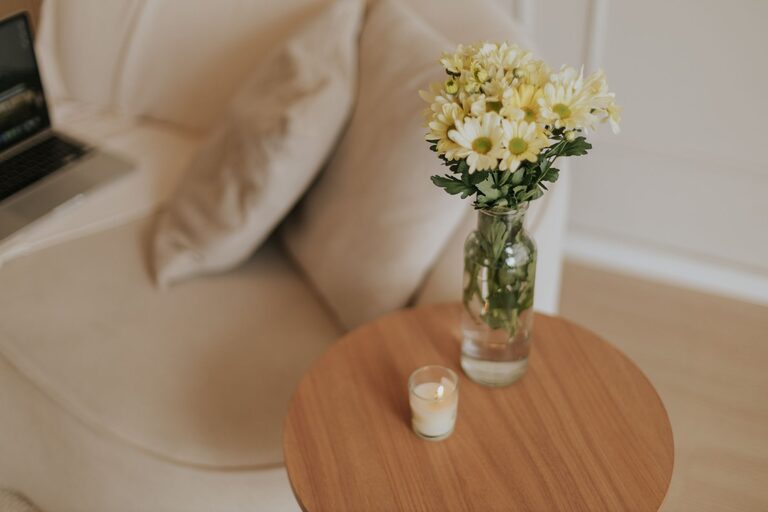
Tips for Creating a Cozy and Inviting Home Office Space
Creating a cozy and inviting home office space is essential…
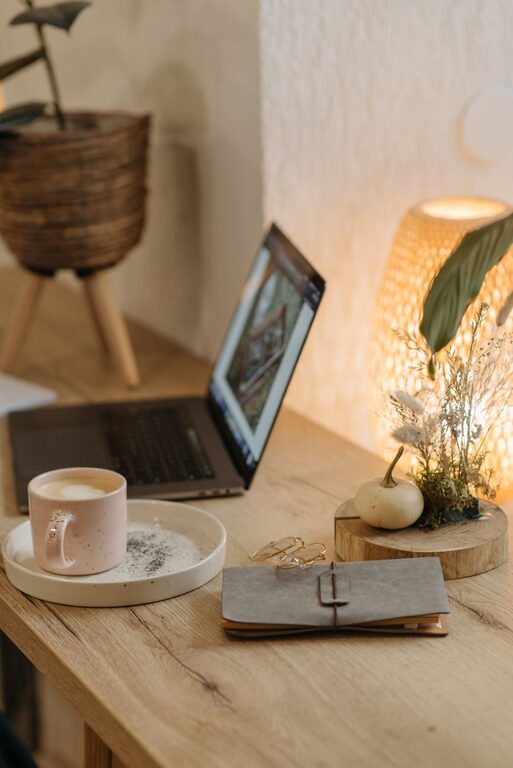
Tips for Organizing a Productive Home Workspace
Working from home has become increasingly common, and creating an…
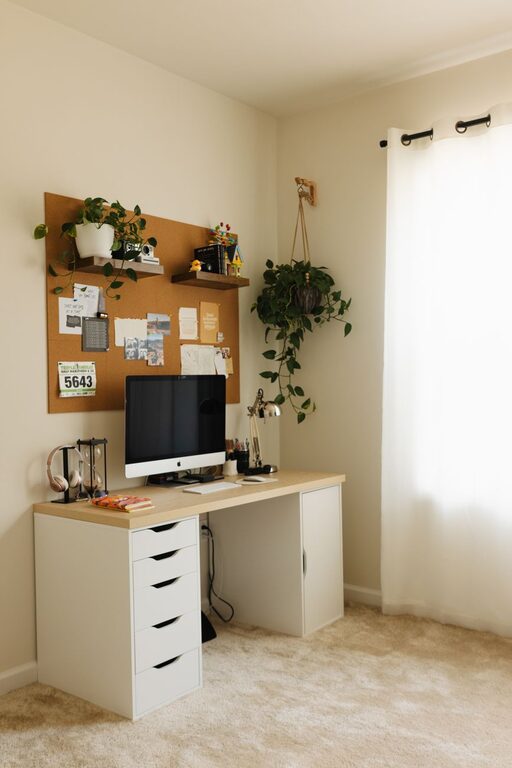
Tips for Creating a Productive Home Office Space
Creating a productive home office space is essential for anyone…