
Creating a productive home office environment can make a significant difference in your work-from-home experience. Whether you are new to remote work or looking to improve your current setup, a well-designed workspace helps you stay focused, organized, and comfortable throughout the day. In this article, we’ll explore practical tips to help you create a home office that supports productivity and well-being.
Choose the Right Location
Your home office location plays a crucial role in productivity. Ideally, select a quiet spot in your home with minimal distractions. If possible, find a separate room to set up your office. This physical separation between work and home life helps improve focus and signals to others when you are working.
If a separate room is not available, try to create a dedicated corner or area that is only used for work. Make sure this space receives sufficient natural light and has easy access to power outlets.
Invest in Comfortable and Ergonomic Furniture
Comfort is key when working for long hours. Choose an office chair that supports good posture with adjustable height, lumbar support, and comfortable padding. An ergonomic chair reduces strain on your back and neck, helping you avoid discomfort and injury.
Pair your chair with a desk at the right height. If a traditional desk is too high or low, a height-adjustable desk or a keyboard tray can help you maintain a neutral wrist position.
Consider accessories such as footrests, monitor stands, and wrist supports to enhance comfort and ergonomics.
Optimize Lighting
Good lighting reduces eye strain and improves focus. Natural light is the best option, so position your desk near a window if possible. Avoid placing your monitor directly in front of a window to prevent glare. Instead, position your desk so that light comes from the side.
Add supplemental lighting with adjustable desk lamps in case natural light is insufficient, especially during early mornings or evenings. Use bulbs that mimic daylight to keep your workspace bright and inviting.
Declutter and Organize Your Workspace
Clutter can negatively impact your ability to concentrate. Keep your home office tidy by organizing essential items within reach and storing non-essential items out of sight.
Use storage solutions such as shelves, filing cabinets, or drawers to keep papers, supplies, and electronics organized. Label storage areas for easy retrieval and return of items.
Try to keep your desk surface clean, with only the tools you need for your current task. This practice helps reduce distractions and keeps your mind focused.
Create a Personalized and Inspiring Setup
Adding personal touches to your workspace can boost motivation and create a welcoming atmosphere. Consider hanging artwork, photos, or inspirational quotes on your walls.
Plants are another great way to brighten your office and improve air quality. Choose low-maintenance indoor plants that require minimal care.
Use colors and décor that make you feel calm and focused. Avoid overly bright or distracting patterns that may reduce your concentration.
Minimize Noise and Distractions
Noise can interfere with productivity. If you live in a noisy environment, consider soundproofing options such as heavy curtains, rugs, or acoustic panels.
Noise-canceling headphones or earplugs can help block out background noise during focused work sessions or virtual meetings.
Set boundaries with family members or roommates regarding your work hours to reduce interruptions.
Establish a Routine and Boundaries
Creating a routine helps signal the start and end of your workday, improving work-life balance. Choose set working hours and stick to them as much as possible.
Start your day with a morning ritual, such as a cup of coffee or a short walk, to prepare mentally for work.
Use techniques like the Pomodoro method to manage your time effectively—work for focused intervals followed by short breaks.
Avoid working from bed or the couch, as this can blur the lines between work and relaxation.
Use Technology to Stay Organized and Connected
Leverage technology tools to improve your home office productivity. Use calendar apps, task managers, or project management platforms to keep track of deadlines and meetings.
Ensure a strong and stable internet connection to avoid disruptions during virtual meetings.
Set up a dedicated work phone or headset for clear communication.
Keep your software and devices updated for security and efficiency.
Take Regular Breaks and Move Around
Sitting for extended periods can lead to fatigue and health issues. Schedule regular breaks during your workday to rest your eyes, stretch, and move your body.
Consider using a standing desk or a desk converter to alternate between sitting and standing while working.
Following these movement habits improves blood flow and refreshes your mind.
Final Thoughts
Building a productive home office environment is about creating a space where you can focus, stay comfortable, and enjoy your workday. By choosing a good location, investing in ergonomic furniture, optimizing lighting, and maintaining organization, you set the foundation for success. Adding personal touches and managing distractions helps make your workspace inviting and efficient.
Remember, productivity is also supported by healthy work habits, so establishing routines and taking breaks are essential. Tailor your home office setup to your individual needs and preferences to find the perfect balance that keeps you motivated and energized.
Related Posts
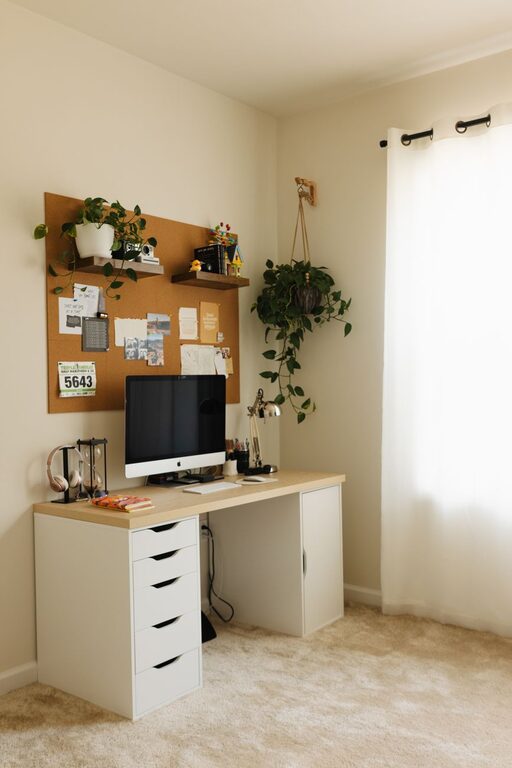
Tips for Creating a Productive Home Office Space
Creating a productive home office space is essential for anyone…
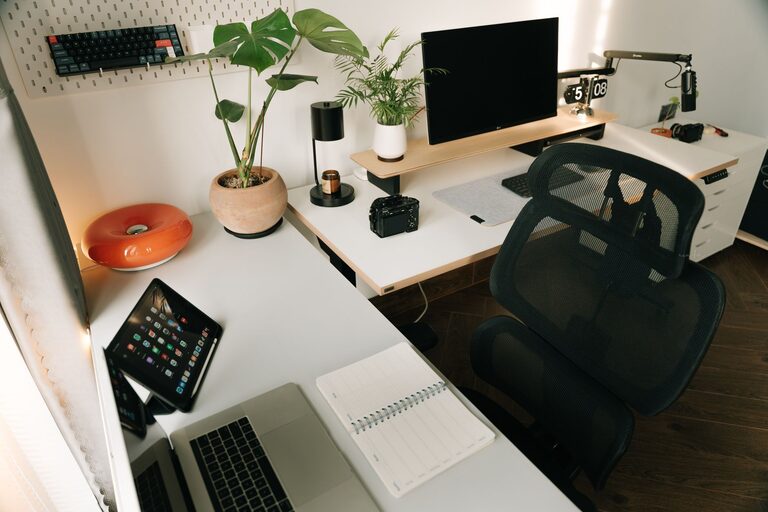
Creative Ways to Organize Your Home Office for Increased Productivity
Creating a well-organized home office can make a significant difference…

Tips for Creating a Relaxing Home Office Environment
Creating a relaxing home office environment is essential for maintaining…